Slavic Full Gospel Church logo SFGC

Christ’s Return

69 sermons on this topic

Examine Yourself: Discerning the Lord's Body

Examine Yourself: Discerning the Lord's Body

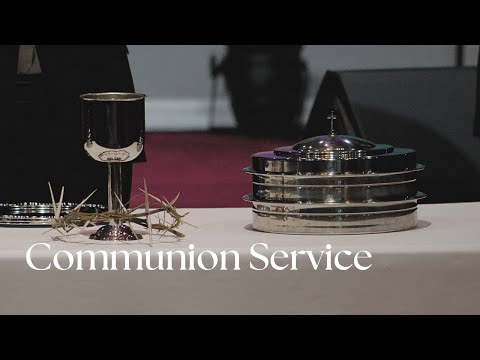
On the first Sunday of the month the church gathered for the Lord's Supper. The service opened with worship and a prayer of confession, since sin is the one thing that can keep us from approaching the table. Jesus' words in John 6 remind us that communion is tied to eternal life - the life everyone longs for, but which only Christ can give. The main message centered on 1 Corinthians 11, where Paul warns against eating and drinking without discerning the body of the Lord. The preacher pressed on the word discern - the God-given ability to weigh our actions, foresee their consequences, and make sound decisions. Proverbs 2 shows that this wisdom is not automatic: we must search for it like hidden treasure, and then the Lord Himself gives knowledge and understanding. A mind that turns from God's truth does not stay empty; it fills with attractive but false ideas, the myths that have led whole nations astray. The preacher pointed to evolution, nationalism, and communism as fruit of a mind that pushed God out. First John calls us to hold to the true God and guard ourselves from idols, and Matthew 24 warns that, as in the days of Noah, people will be absorbed in earthly life until Christ returns.

His Name Is Jesus, the Holy Lord of All

His Name Is Jesus, the Holy Lord of All

The gathering opens with a heartfelt call to lift up the name of God, giving Him all the glory in our prayers, our thoughts, and our worship. The leader prays that God would touch every heart so that when the people return home they would carry power to overcome and keep moving forward in faith. The congregation greets one another and rejoices simply to be present in God's house. In worship the church proclaims that there is only One strong enough to save and One who conquered the grave. Jesus holds the keys of death and hell, healing flows from His name, and by His blood our sins are washed away. He is named Wonderful, Counselor, Almighty God, and Prince of Peace, the One before whom every knee will bow when He returns to judge the living and the dead. The opening worship closes with a vision drawn from Isaiah: the Lord seated high upon His throne, robed in glory, the temple filled with His presence, and the angels circling Him crying, "Holy, holy, You are holy, Lord of all." It is an invitation to humble our hearts and simply desire His nearness.

I Trust in God Because Christ Is Risen

I Trust in God Because Christ Is Risen

On this Easter Sunday the congregation celebrates the resurrection of Christ. Reading 1 Corinthians 15, the preacher proclaims that Christ is the firstfruits raised from the dead, and everyone who has received Him by faith has been raised together with Him. From Proverbs 3:5 he draws his theme: trust in the Lord with all your heart. Because Christ is risen, we can face every difficulty by declaring, 'I trust in God.' Our thoughts and words shape us, so when we confess our hope our heart turns toward His help. Through the hardest moments - Jesus in Gethsemane, David weeping at Ziklag, the apostles in despair - God's answer arrived on the third day. Like ships passing slowly but surely through the Panama Canal, our problems are resolved in God's time; like the eagle that endures a painful renewal, those who hope in the Lord renew their strength (Isaiah 40). The preacher leaves three anchors for the soul: I am a child of God, the blood of Jesus covers me, and the One who lives in me is greater than the one in the world. Give every need into God's hands, for Christ is risen, He is alive, and He is coming again.

Forgiveness at the Cross When Life Is Unjust

Forgiveness at the Cross When Life Is Unjust

A guest preacher from Borispol in Ukraine reminded the congregation that the church, like the pool of Bethesda, is the place where we come to touch God - and that in a world still full of the wounded and the needy, that meeting matters more than ever. Drawing on 2 Corinthians 2:14, he gave thanks that God always leads His people in triumph in Christ and spreads the fragrance of the gospel through them in every place. He urged everyone, especially the young men, to labor for God's kingdom without waiting for an easier day, because every hour given to God is counted and rewarded. Turning to Luke 23:32-34, he pointed to Jesus, led away to die between two criminals though He had done no wrong. He told of believers from his own church seized off the street and taken to the front: a worship leader who stepped on a mine and now praises God seated on a prosthesis, and brothers who never came home. Like them, Jesus was treated unjustly - yet from the cross He did not call for punishment but prayed, Father, forgive them. The heart of the message was a question: what do we do when we are wronged, slandered, or robbed? The answer is to do as Christ did - entrust our lives to the Father, trust His will in which not a single hair falls without Him, and answer injustice with prayer and forgiveness. We live in the days of Matthew 24, when wars are not yet the end and our faith must not fail when it is sifted like wheat.

Remembering His Death, Awaiting the Heavenly Roll Call

Remembering His Death, Awaiting the Heavenly Roll Call

The service opens with a call to gather wholly present, in body and in spirit, to gird the mind and give God worthy praise for His protection and blessing through the past week. The leader reminds the congregation that meeting together to see one another's faces and worship is a true recharge and strengthening for the soul. A hymn about the heavenly roll call lifts the hope of resurrection: when the Lord's trumpet sounds, the names of all the redeemed will be called, and by His mercy everyone washed in the blood of the cross will be there. The preacher adds that Jesus Himself will speak each of our names, and will even give us a new name. This is set apart as a special communion service, devoted to remembering the death and suffering of Jesus Christ. Coming to the Lord's table is no small thing: it points ahead to the eternal morning when His own will answer His call.

The Price He Paid: Remembering Christ's Suffering

The Price He Paid: Remembering Christ's Suffering

This Lord's Supper service was devoted to the suffering of Jesus Christ and the price He paid for our salvation. The preacher opened in Luke 2, pointing out three ways people come into God's house: some are drawn by the Spirit like Simeon, some by the faithful habit of prayer and fasting like Anna the prophetess, and some simply by custom like the family of Jesus at Passover. Whatever brings us, he said, it is good to be in the house of the Lord. Tracing the cross through Scripture, he showed how Abraham's offering of Isaac on Mount Moriah pointed forward to the Father giving His only Son on that same mountain. Isaiah foretold centuries in advance a Servant whose face was marred beyond any man, who gave His back to those who struck Him and bore our iniquities, so that by His wounds we are healed. Christ went to Golgotha willingly, never cursing His tormentors, drinking the cup of suffering so that we could receive the cup of blessing. As the congregation broke the bread and shared the cup, the message turned to grace. We are precious not because of ourselves, dust that returns to dust, but because Christ paid so great a price with His blood. Remembering His death proclaims His victory until He comes again, and it gives believers strength to resist sin and to rise after a fall, just as Peter was restored after his denial.

Choose Each Day Whom You Will Serve

Choose Each Day Whom You Will Serve

This midweek service gathered the church to hear God's word together, opening with the prayer of Epaphras in Colossians 4:12 - that believers would stand complete and fully do the will of God. An older brother offered a Christmas greeting and reminded everyone that Christ is still being born today, in every heart that receives Him, asking whether we remember the day Jesus came into our own lives. He urged the church to search the Scriptures for themselves rather than simply trusting online preachers, and to live ready, since the Son of Man comes at an hour we do not expect (Luke 12:40). The main message, from Joshua 24:15, centered on the daily call to choose whom we will serve. The preacher taught that a godly past is no guarantee of a faithful future - each of us must keep choosing God day by day. Real conviction, drawn from past experience and grounded in God's word, shapes those choices, and serving the Lord is not one activity among many but an entire way of life. The service closed with Peter walking on the water (Matthew 14): while his eyes were on Jesus he walked, but when he looked at the storm he began to sink, and Christ immediately reached out to save him. The church was reminded that the Lord never leaves a struggling believer to drown, and was called to keep its gaze on Him through every storm.

The Cross: Foolishness to the World, Power to Us

The Cross: Foolishness to the World, Power to Us

On this first Sunday of the New Year the church gathered for communion, remembering the death and resurrection of Jesus. The preacher invited everyone to climb to Golgotha in their hearts, recalling how Jesus foretold His suffering in Mark 10 and how Abraham went up the mountain only for God to provide the Lamb in his son's place. What we remember at the table is not a defeat but a victory over sin and the devil, a victory we share by faith. The main message came from 1 Corinthians 1:18: the word of the cross is foolishness to those who are perishing, but to us who are being saved it is the power of God. It sounds like folly to the world because it exposes the sin in every heart (Romans 3), because it demands that Christ be placed above family, comfort, and self (Matthew 10), and because it calls us to die to ourselves so that Christ may live in us (Galatians 2:20). The world, driven by the lust of the flesh, the lust of the eyes, and the pride of life, will not surrender these things. In God's kingdom the math is reversed: to gain more you give more, and to be great you become a servant. The service closed with a sober warning. A brother who had announced that Christ would return in 2025 repented when it did not happen, and the leaders reminded the church that no one knows the day or hour but the Father alone (Matthew 24:36). Stand on the Word as your foundation, and never forget that you are saved because He first loved you.

A Prepared Heart, Ready to Meet Christ

A Prepared Heart, Ready to Meet Christ

Across this Wednesday gathering, several brothers preached one shared message: this is about us. One brother, who recently fled the war in Ukraine and changed homes seven times in just a few years, testified how complete dependence on God carried him through war and exile. His urgent appeal was to pray more in the Spirit, in other tongues, to seek God's counsel before every decision, and to stop obeying our own "I don't want to," because following our feelings can cost us what God has prepared. The main sermon, "A Prepared Man of God," opened from Isaiah 66:1-2: the Lord looks on the one who is humble, contrite in spirit, and who trembles at His word. The preacher confessed that amid the turmoil of the day he had lost his own meekness, and he called the church to choose humility, a broken heart, and reverence for Scripture as the foundation of life. The systems of this world, past and present, are rotten and passing away; our task is not to fix the world by quarreling, but to be changed ourselves and to stand in the gap in prayer. The closing word reminded everyone that sin has corrupted the world since Eden, and there is no peace for the wicked, yet the blood of Christ gives power even to bless our enemies. With the recent killing of a young Christian speaker fresh in mind, and rumors that the church would soon be taken up, the pastor pointed to the parable of the ten virgins: be ready to meet Christ at any moment, whether He comes today or calls us after a long and faithful life.

Led by the Spirit, Ready for His Coming

Led by the Spirit, Ready for His Coming

This midweek service opened in prayer around 1 Timothy 2:8 - lifting up holy hands without anger or doubt. The leaders reminded the church that real change is built in the secret place: when we knock on heaven in private prayer, God brings the visible fruit out into the open in His time, and our inner person must be ready to receive His word. The main teaching unfolded the purpose of the Holy Spirit - to glorify Jesus and to lead God's children the way a shepherd leads helpless sheep. Four conditions stood out for being led by the Spirit: know His voice by meditating on Scripture day and night, as Joshua was told; stay humble and never resist the Spirit through pride; keep being filled by seeking God diligently like David and Asaph; and give thanks in every circumstance instead of murmuring against God. A second message from Luke 21 called believers to keep watching and praying. Christ will come - through old age, through illness, or on the clouds - so we must not let our hearts grow heavy with greed, drunkenness, even the drunkenness of sin, and the cares of this life. Like the sleeping disciples in Gethsemane, those who do not watch and pray fall in the hour of testing. The service closed on Isaiah 55: God's word, like rain and snow, will not return empty.

Christ Is Risen, So We Might Live

Christ Is Risen, So We Might Live

The Easter service opens with the joyful greeting, Christ is risen, He is risen indeed. Reading John 20:19-20, the pastor recalls how the risen Jesus stood among His frightened disciples behind locked doors, spoke peace (shalom), and showed them His wounded hands and side. The same living Lord wants to fill our hearts with that Easter joy and light today. The main message asks a question few of us ever consider: what if Christ had not risen? Scripture answers that our faith would be empty, we would be deceived, and we would still be carrying every sin we ever committed - tens of thousands of them across a lifetime. But the wages of sin is death, and no one can buy their own freedom, so God sent His Son to die for our sins and rise for our justification. To share in His resurrection we must first die - to self, to sin, to the world - so we can walk in newness of life (Romans 6). A life unchanged from its old worldly pattern shows we have not yet truly risen. The closing word turns to hope: like the neatly folded grave cloth that quietly promised Jesus would return, and like a freed prisoner crying out, Mom, I am alive, the risen Christ is coming back for His people. Maranatha - be ready.

Abide in Christ and Feed the Hungry

Abide in Christ and Feed the Hungry

The midweek service opens by lifting an ailing pastor before God and turning to Revelation 22:20, where Jesus says, I am coming quickly. With Palm Sunday near, the leaders recall the crowds who welcomed Christ into Jerusalem and ask how we respond today to the news that He is returning in great glory. As His waiting bride, do we truly long for that meeting? The main teaching from John 15:7-8 calls believers to abide in Christ as branches in the vine. To abide is to remain in His word, to live in daily dependence on His grace, to obey His commands and stay in His love, keeping our hearts pure and yielding to the Holy Spirit. Drawing on Romans 11 and James 4, the preacher warns that pride wants to live independently of God, while the humble keep drawing life from the true Vine. Two stories show how sensitivity to the Spirit shapes our biggest decisions. A visiting missionary, who served decades abroad and now sends aid to war-torn Ukraine, closes with Matthew 14 and the words, You give them something to eat. Across five points he urges the church to see human need, accept our part in God's rescue, stop fixating on our lack, bring our small loaves and fish to Jesus, and watch Him multiply them. Only disciples bear fruit, and no fruit pleases heaven more than one soul brought to salvation.

Faith in the Storm, Discernment in the Last Days

Faith in the Storm, Discernment in the Last Days

The evening opened with David's prayer from Psalm 86 - 'Show me Your way, O Lord' - as the church asked God to guide every decision through His Word and His Spirit. The longing was simple: to keep our spiritual ears and eyes open so the right word reaches us at the very moment we need it. The first message, drawn from Mark 4, pictured Jesus asleep in the boat while a violent storm filled it with water. Christ rebuked His disciples not for the storm but for their fear and lack of faith - even seasoned fishermen panicked, forgetting He had already promised, 'Let us cross to the other side.' Fear, the preacher said, is a signal that our trust is running low, yet Jesus never abandoned His frightened followers. Like David in Psalm 56 and the one who hopes in the Lord in Jeremiah 17, we are called to trust instead of panic. The second message warned about deception in the last days. Jesus said many would come in His name and lead people astray, and Paul feared the church could be charmed by 'another Jesus, another gospel, another spirit,' just as the serpent deceived Eve. The remedy is to return to Scripture - 'to the law and the testimony' - and to study the genuine Word so closely that any counterfeit stands out at once. Reverence for God and personal reading of the Bible, not eloquent voices online, keep the bride of Christ ready for His return.

The Spirit's Peace and a Life Made New

The Spirit's Peace and a Life Made New

In an anxious time of wars and angry headlines, the first message warns that believers keep chasing the fragile calm of this world while neglecting the divine peace God has already given them. Drawing on Philippians 4 and Romans 14:17, the preacher reminds the church that the Kingdom of God is righteousness, peace and joy in the Holy Spirit - a peace that surpasses all understanding and steadies the heart no matter what the media or even Christian leaders are shouting. We are not given the right to wage war, online or in church; we are called to pray for our enemies, love them, and let God's peace flow through us into the world. A young sister then testifies how God guided her job and visa situation, closing doors that looked perfect so He could show her how valued she already was where she served, and teaching her to obey His voice and trust His better plan. The second message reminds the congregation, "You are not a copy, you are an original." Each believer is God's unique workmanship, created for the good works He prepared in advance (Ephesians 2:10). Instead of imitating famous preachers, we should ask God to make us who He wants us to be. His grace makes everything new, so we should not fear change: the core doctrine never moves, but God gives fresh bread for today to those who seek Him in His Word and are filled with the Holy Spirit.

Deep Waters: Guarding the Thoughts of the Heart

Deep Waters: Guarding the Thoughts of the Heart

The message opens in Luke 8:22-25, where Jesus and his disciples cross the lake, a storm fills their boat with water, and they find themselves in real danger until Jesus stills the waves and asks, "Where is your faith?" The preacher lingers on one detail: when a boat takes on water, a person has to bail it out or sink. He ties this to Scripture's picture of the thoughts and intentions of the heart as deep waters that a wise person learns to draw out. From there he traces the inner path of every action. We hold facts that we know, we reason over them, and we finally settle on a decision, a direction for our life. Satan can slip a thought into us at the reasoning stage, as he did with Ananias and Sapphira, but the choice itself, and full responsibility for it, stays with us. The people before the flood and in the days of Noah knew about God, yet they did not reckon with him; he was kept outside the brackets of their lives, and the waters swept them away. The call is to set the mind on things above, to gird ourselves with the truth, and to mix what we know with living faith. It is not enough to know the truth as dead religion; it must become our direction and our daily choice. Bail out the wrong thoughts before they fill and sink the boat of your life.

Hearing and Holding Fast to God's Word

Hearing and Holding Fast to God's Word

The service opened with Psalm 91 and thanks for a new year lived under God's protection, then the main message turned to Jeremiah 23. God rebukes prophets who soothe stubborn hearts with "peace, all is well" instead of speaking His true word. His word is meant to be like fire and a hammer that breaks the hard heart and produces real change; had those prophets truly stood in the Lord's counsel and listened, the people would have turned from their evil ways. The preacher pressed two questions: do those who carry the word deliver God's truth or merely pleasant human opinions, and can each of us discern God's voice from man's? To listen means to lean in, shut out distractions, incline the ear, and depend on the Holy Spirit, who alone transforms a life. A brother then gave thanks, recalling Psalm 107, Romans 8:28, and how Moses recounted God's mercies to Jethro (Exodus 18). He testified that around 2005 his eyesight failed rapidly and a doctor offered no hope; seeing a blind man led by a guide dog, he grasped what a gift sight is. He cried out to God and read every passage where Jesus healed the blind until the Word came alive, and for more than fifteen years his vision has been restored and healthy. Our eyes are God's gift, best used to read His Word. With a reminder that God supplies seed to the sower (2 Corinthians 9:10), the offering became an act of trust. The closing message from Revelation 3:11 urged the church to hold fast what it has, that no one take its crown. Christ is coming soon - for some at His appearing, for others through death - so we must value and guard the faith, grace, and love we have received, refusing to let go as Esau and Samson did, and clinging to Christ to the very end.

Examine Your Heart, Stay Awake for Christ

Examine Your Heart, Stay Awake for Christ

This first communion service of the new year opened with worship and the reading of Psalm 103, then turned to the story of Haman and Mordecai in the book of Esther. Despite wealth, position, and honor, Haman let one small offense - Mordecai refusing to bow - poison his heart, until his hatred consumed him and the gallows he built for another became his own end. The preacher warned that we, too, store up grudges like jars of preserves, dating each offense and reopening them in the next argument, until the bitterness ferments and bursts. Drawing on Ephesians 4 and Colossians 3, he urged the church to put off anger, malice, and pride, to put on Christ, and to forgive one another as Christ forgave us. Before sharing the bread and cup, each believer was called to search his own heart and receive blessing rather than judgment. After communion, a New Year message from 1 Thessalonians 5 called the church to stay awake and sober. The whole world sleeps in spiritual darkness or staggers drunk on sin, but the children of light watch for the Lord's return. If you imagine only a week left to live and know something needs fixing, being ready means correcting it today, not postponing it.

The Joy of Christmas and the King of Kings

The Joy of Christmas and the King of Kings

This post-Christmas Sunday service opened with Isaiah 9:6, celebrating the child born to us whose names are Wonderful Counselor, Mighty God, Everlasting Father, and Prince of Peace. In a world torn by war and tragedy, the only true peace is found in Jesus, who came for each of us. The message reminded us that Christmas is a season of real joy because Christ was born, died, rose, and is alive today. Many lose the meaning of the season in gifts and fading New Year resolutions, but God offers a deeper blessing. Drawing on Psalm 37:4, the preacher showed that when we delight in the Lord our desires change and begin to match His. Solomon asked not for riches but for wisdom to serve God's people, and God gave him wisdom plus wealth and honor beyond every king. Jesus is the greater example: He left heaven's glory, lived and worked among us, and gave Himself saying not my will but yours. Like Isaiah's vision of the Lord whose robe fills the temple, the train standing for every defeated enemy, Christ is the victorious King of kings who will return in glory. The call is to desire what God desires and to give to others as freely as He gave His Son, for it is more blessed to give than to receive.

Draw Near to God and Keep Going

Draw Near to God and Keep Going

The service opened with the reminder from Matthew that Jesus is Immanuel, God with us, and the first message asked a searching question: how do believers drift away from God, and how do we come close to Him again? Drawing on Psalm 34, James 4 and Psalm 73, the preacher reminded the church that nearness to God is the sweetest thing in life, and that a life lived far from Him loses all meaning. He described three ways God's own people slip away - open rejection of His word and gatherings, the hypocrisy of honoring God with the lips while the heart stays far off, and a careless, lazy attitude toward our great salvation that leaves us exposed, like the stragglers in the wilderness who were cut down by Amalek. The way back is a broken and humble heart, thanksgiving, calling on the name of the Lord, and abiding in Christ, who alone is our Mediator and gives us confident access to the Father. A second message urged the church to keep going. From Elisha telling King Joash to strike the ground again, to Saul who could not wait the full seven days, the call was to persevere - keep believing, keep loving even enemies, keep giving, and keep your lamp burning, because the Lord is faithful and will surely come. Through a personal testimony of heart surgery and the love of Christ who restored Peter, the church was encouraged not to look back but to press on toward Him.

Wake From Sleep and Put On Christ

Wake From Sleep and Put On Christ

The evening opened with Psalm 42 - as the deer pants for streams of water, so the soul longs for the living God. From that hunger the main message turned to Romans 13:11-14, where the preacher pressed one question: do we know the hour we live in? These are the last days, and it is time to wake from spiritual sleep. Using the picture of a driver who dozes off at the wheel, he warned that spiritual sleep is far more dangerous than physical sleep, because it ends not in a wrecked car but in a ruined soul. So we must cast off the works of darkness, put on the armor of light, and clothe ourselves in the Lord Jesus the way we put on clothing - until we think, speak, and shine like Him. Salvation is nearer now than when we first believed, and sin is simply sin: fornication and drunkenness, but also quarreling and envy, all stand before God on the same shelf. A second message carried this into our relationships. Following Christ's example in 1 Peter 2, it is better to be wronged than to fight to be proven right: He did not revile in return, did not threaten, but entrusted Himself to the One who judges righteously. Do not judge before the time, for the eyes of the Lord behold all (Proverbs 15:3); the stories of Jacob with Laban and of Joseph show that God turns evil into good and repays in His own season. So forgive, as Christ forgave us.

Keep Praying and Never Lose Heart

Keep Praying and Never Lose Heart

The service opened with John 5:24 - whoever hears Jesus' word and believes already has eternal life and has passed from death to life - and with a reminder that faith comes by hearing. We are called to truly listen to God's word, not let it pass us by. Prayer was offered for protection over Florida from an approaching hurricane. The first message called the church back to its first love. Drawing on Jesus' summary of the law (love God with all your heart and your neighbor as yourself), on 1 Corinthians 13, and on Christ's words to Ephesus in Revelation 2, the brother warned that even a busy, hard-working church can lose the warmth it had at the start. The way back is to remember where we fell, repent, and return to the first works through prayer and fellowship with God. The main message, from the parable of the persistent widow in Luke 18, urged believers to keep praying and not lose heart. The widow kept going to an unjust judge because he was her only hope; in the same way we keep coming to God because no one else holds the words of life. The faith Jesus looks for when He returns is the faith that keeps praying even when the answer is long delayed.

Staying Close to God Until Christ Returns

Staying Close to God Until Christ Returns

The evening began with a call to treasure gathering together as believers. Drawing from Hebrews 13:15-16, the first speaker described fellowship itself as a sacrifice pleasing to God, like the fragrant offerings of the Old Testament. Yet, as Samuel told Saul, obedience is even better than sacrifice. The hardest and sweetest offering is to seek out the person we avoid and to forgive a long-held grudge, because bitterness is a poison that destroys the one who carries it. Let the sun not go down on our anger. A visiting brother reminded the church that it will not always be like this. Pointing to Israel and Jerusalem as living proof that God keeps His word, he warned that the coming of Christ is near. From the people who blamed Moses for their hardship in Exodus 5, he taught that God has every right to test His own - not only through suffering but even through abundance. Believers are called to live humbly, forgive every offense, and rebuild the family altar through prayer for one another and for their children. The main message opened 1 Timothy 4. The Spirit warns that in the last days some will fall away from the faith, following deceiving spirits who come with flattering, religious-sounding words. Falling away is alarmingly easy and can happen to anyone, even a minister, so we must follow the Word of God rather than personalities. True spirituality is not earthly rules like forbidding marriage or certain foods (Colossians 2); bodily discipline profits little, but godliness, which grows from truly knowing God, profits for this life and the next.

Good Soil and the Appointed Hour

Good Soil and the Appointed Hour

The service opened with a steadying word: the trouble we dread may never come, or may arrive far gentler than we fear, and if it does strike in full force, the Lord gives strength to bear it, for He never lays on us more than we can carry. The first message then opened Matthew 13 and its parables of the Kingdom - the sower, the wheat and tares, the mustard seed, and the leaven. The preacher pressed one truth home: God's word is living seed that always bears fruit when it lands on good soil, so the real question is the condition of our own heart. A buzzing phone, business worries, and restless thoughts harden us into the trodden path from which the enemy snatches the word away. We should not settle for a thirty-fold harvest but gird ourselves and ask God for a hundredfold, remembering that we too are sowers and must seek His wisdom to correct others gently, without uprooting the wheat. A guest reminded the church from Matthew 7 that not everyone who says 'Lord, Lord' will enter, only those who do the Father's will. A visiting brother from a church in Kentucky then preached from Jeremiah 46:17 on Pharaoh who missed his appointed time, and on Jesus weeping over a Jerusalem that failed to know its hour of visitation. With testimony of healing and prophetic warnings of coming upheaval and war, he urged believers to keep oil in their lamps, watch over their children, and be ready for the Lord's soon return.

Is Your Name Written in the Book of Life?

Is Your Name Written in the Book of Life?

The service opens in worship with a reminder that the living Christ heals and saves everyone who truly believes, and that the gathered church is itself the house of God, built of living stones. Recalling the boy Jesus in the temple and the rich young ruler's question about eternal life, the preacher presses one urgent matter: are we certain our names are written in the Book of Life? Working through John 3 and First John 5, he stresses that God did not appoint us to wrath but to salvation, and that whoever has the Son already possesses eternal life right now. This should fill believers with joyful confidence rather than fear. A sobering statistic - that a quarter of lifelong churchgoers cannot say with certainty they are saved - frames his appeal to settle the matter today through repentance and faith in the blood of Christ. A second message turns to the brevity of life. Through Psalm 90 and 92, the late conversion of the wealthy Rockefeller, and Joseph's dramatic rise and fall, the preacher reminds us that life is short and not in our control. In the end God will not ask about our achievements but only one thing: are you washed in the blood of Jesus? He calls the church back to Scripture and to persistent prayer.

Examine Yourself and Stand Firm in Faith

Examine Yourself and Stand Firm in Faith

This midweek service gathered the church around one call - to measure our lives by God's Word and be transformed into the image of our heavenly Father. The first message reminded us that Christ came in the fullness of time and offered Himself once for our sins, and that we now live in the season of waiting for His return for salvation. The question is deeply personal: am I really waiting for Him? Like Paul urged Timothy, we are to give ourselves to Scripture, teaching, and prayer rather than crowd our days with things that pull the heart away. Drawing on 2 Corinthians 13:5, the congregation was urged to examine itself and ask whether we are truly in the faith. Israel was tested at the bitter waters of Marah, and David prayed, "Search me, O God, and lead me in the way everlasting." A believer should not live unsure of eternal life - eternal life is to know God and walk with Him now, keeping the first love that the church in Ephesus had let slip, and never grieving the Holy Spirit with anger or bitterness. The second message lifted up Christ from Colossians 1 as the image of the invisible God, by whom all things were created and in whom all things hold together. Faith is the substance of things hoped for, and by faith we understand that the visible came from God's spoken word, which nothing can stop. Yet God works through surrendered people, so He calls us to present our bodies a living sacrifice, refusing to be conformed to the world and being transformed by the renewing of our minds. Because all things are from Him, through Him, and to Him, our part is humble faith and obedience.

Blessed Are Those Who Die in the Lord

Blessed Are Those Who Die in the Lord

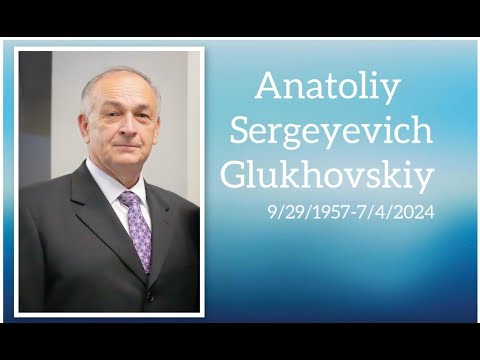
This memorial service honored brother Anatoliy Glukhovskiy, a deacon, preacher and worship leader who helped found the church and went home to the Lord suddenly on July 4, 2024, at the age of sixty-six. His family and fellow ministers remembered him as a sincere man of God, a devoted husband and father of six, who loved Scripture so deeply that he could explain it plainly enough for a child to understand, and who led the congregation in song with his guitar. Speaker after speaker anchored their comfort in 1 Thessalonians 4: believers do not grieve like those who have no hope, because the dead in Christ will rise and we will be caught up to meet the Lord and be with him forever. Drawing on Psalm 84, they reminded the grieving that true strength comes from God, who turns even the valley of weeping into a place of springs. The closing message used the parable of the growing seed in Mark 4: when the grain is ripe, the Lord sends the sickle. Anatoliy's life had borne fruit, and God gathered him at the appointed time, not by accident. The service ended with a tender appeal to receive the seed of life today, to cherish loved ones while they are near, and to be ready at every moment for the meeting that awaits us all.

Ready for Communion and the Marriage of the Lamb

Ready for Communion and the Marriage of the Lamb

This communion service centers on how we approach the Lord's Table. Before we share the bread and the cup, we must examine ourselves, reconcile with anyone who holds something against us, and judge our own hearts, so that the supper becomes a blessing and not a judgment. Paul warns that whoever takes it unworthily becomes guilty of the body and blood of the Lord. The preacher ties together two suppers - the communion we keep on earth and the marriage supper of the Lamb in heaven. They cannot be separated. Just as people set aside a day of fasting and self-searching before communion, we must live ready every day for Christ's return, because He comes at an hour we do not expect, and the door closes on those who are not prepared. Preparation means letting go. As wheat is parted from the chaff and grapes are pressed into wine, the trials of life refine us into one bread, one body. We are joined vertically to God and horizontally to one another, and no one can claim to love God while refusing to love a neighbor. Calvary is not only our past; it is our present and our future.

Soft Hearts and the Fear of the Lord

Soft Hearts and the Fear of the Lord

The first preacher urged the church to tune its heart to hear God's voice, like young Samuel who answered, "Speak, Lord, your servant is listening." He warned that when we stop receiving God's word, our house is left empty, just as Jesus lamented over Jerusalem. From Luke 8 he walked through the parable of the sower, describing four kinds of hearts: the hard path, the shallow rocky soil, the thorny ground choked by wealth, and the good soil that guards the word and bears fruit with patience. He pressed each listener to ask where Christ ranks among their priorities, reminding them that no one can serve both God and money, and that the lasting treasure is found in following Jesus. A visiting preacher then took up the parable of the ten virgins and the question of wisdom, teaching that the beginning of wisdom is the fear of the Lord. Drawing on Proverbs, James, Elijah before the captains of fifty, Cornelius the centurion, and Isaiah's portrait of the Spirit-filled Messiah, he defined the fear of the Lord as hating what God hates: pride, arrogance, the evil way, and deceitful lips. His practical counsel was simple - when anger rises, wait a few seconds in silence, as Christ stayed silent though he could have called legions of angels, and let God's word, not our impulse, govern our lips.

Living Faith That Reaches the Lost

Living Faith That Reaches the Lost

The evening opened with a call to obey Christ's last command (Matthew 28:19-20) to go and make disciples. Before we can lead anyone to Jesus, we must first meet Him ourselves, because real witness flows out of a changed life. Using the story of a pastor who befriended a car salesman, and supremely Jesus' conversation with the Samaritan woman (John 4), the preacher showed how to share the gospel without arguing: Jesus refused to fight over what divides, offered her living water, knew her whole story, and so she believed and brought a whole town to Him. The second message turned on Jesus' question, "When the Son of Man comes, will He find faith on earth?" (Luke 18:8). There will be many believers, large churches, choirs and preaching, yet the Lord is searching for a living faith: eyes that see, ears that hear, and a heart that responds in love. The enemy works to plant doubt and quietly kill that faith, so each of us must examine whether we are truly in the faith (2 Corinthians 13:5). Faith begins small, like a newborn, and grows only when it is fed - through the Word of God, through real prayer that connects us with His Spirit, and through good works born of love. The preacher closed with testimonies of healing and of needy families in Ukraine, reminding the church that the same God who worked miracles in the past still answers the prayer of faith today.

Ears to Hear and an Encounter with the Risen King

Ears to Hear and an Encounter with the Risen King

The service opened with the Parable of the Sower from Matthew 13. Crowds followed Jesus everywhere because He spoke with authority, and He taught in parables so ordinary people could grasp the truth about the Father. The word is the seed; our task is to receive it with an open heart and bear fruit. Jesus gave no one an excuse - whoever has ears should listen and understand. Brother Dennis then preached on walking in the Holy Spirit. The Spirit is not merely the gift of tongues but a Person, our Advocate, who reminds us of Jesus, testifies about Christ, convicts of sin, raised Jesus from the dead, gives spiritual gifts, and assures us we are God's children. To be led by the Spirit is to surrender to God's will and live it out three ways: being sensitive enough to listen, being obedient to His yes, no, or wait, and treating Him with reverence rather than walking after the flesh. Brother David brought the main message: Jesus is coming, and what we need most is a real encounter with Him. From Matthew 28, the women who sought the crucified Jesus found the empty tomb, met the risen Lord, worshiped at His feet, and were sent to tell others. Sharing his own testimony of deliverance, David urged everyone to come hungry, meet Christ at the cross, and then go proclaim that the King is risen and returning, for every knee will bow before Him.

Walk Before God, Not Before People

Walk Before God, Not Before People

Preaching from Luke 12, the pastor observes that when thousands pressed around Jesus, his first words to the disciples were a warning against the leaven of the Pharisees - hypocrisy. Rather than try to impress the crowd, Jesus exposed the danger of a religion that teaches God's will but refuses to live it. What matters is not how people judge us, but how the God of truth sees us. Nothing hidden will stay hidden; everything whispered in secret will one day be proclaimed openly. God weighs not only our deeds but the inner motives behind them. Because judgment is not carried out at once, people grow careless in sin and weary in doing good - yet a person reaps what he sows. Like the widow's two mites and Enoch who walked with God, our lives are measured by faithfulness with what we were given, not by appearances. We will all stand before the judgment seat of Christ, where good done for God's glory is rewarded openly and the hidden is brought to light. The one way of escape is repentance: when we judge ourselves and call on the blood of Christ, God forgives and remembers our sin no more. So walk before God, not before people, and do not grow weary in doing good.

Keep Watch: The Lord Is Coming

Keep Watch: The Lord Is Coming

On the final Sunday of the year, the pastor calls the congregation to reflect on time itself - the seasons God gives us and the day when every clock will stop. Drawing on Matthew 24 and Peter's image of the thief in the night, he urges believers not to sleep spiritually but to stay awake and guard their hearts, where faith, love, the fear of God, and hope are kept safe from an enemy who prowls like a lion. The message turns to sowing and reaping: we harvest only what we have planted, so the time God entrusts to us must be spent on fruit that lasts. Like the farmer in James 5, we wait with patient longsuffering for the most valuable crop of all - the coming of the Lord and our being gathered to Him. Leaning on 2 Peter 1, the pastor describes that crop as truly knowing Christ the Good Shepherd. He invites everyone to make every effort to add to their faith goodness, knowledge, self-control, perseverance, godliness, affection, and love, so that as the new year begins they may enter freely into the eternal Kingdom.

Doing God's Will and Growing in Faith

Doing God's Will and Growing in Faith

This midweek service brought several voices around one heartbeat: a life that truly belongs to God will show it. Opening with "by their fruits you will know them," the leaders reminded the church that neighbors, classmates and coworkers recognize God's children not by our words but by the fruit of repentance, holiness and love in us. The first message centered on the will of God. Everything we have was received from Him, so our only boast is that we know the Lord. Jesus warned that not everyone who says "Lord, Lord" enters the kingdom, but the one who does the Father's will. With a renewed mind filled with heavenly rather than earthly thoughts, we learn to please God daily, like Enoch who walked with Him, and like a retiree jolted from wasting his years on television into supporting missionaries. A second message taught that faith is essential and must grow: without faith it is impossible to please God, and faith without works is dead. Faith grows by hearing and reading the Word, which then opens our eyes to people in need we can serve. The service closed with the Beatitudes as God's formula for true happiness and a reminder, on the eve of Thanksgiving, that believers are pilgrims who must stay ready for Christ's return.

Thanksgiving and the Harvest We Reap

Thanksgiving and the Harvest We Reap

This Thanksgiving celebration opens with the story of the ten lepers (Luke 17). Only one, a foreigner, came back to fall at Jesus' feet and give thanks, and the Lord's question still echoes today: where are the other nine? We gather to thank God for everything He gives - the joy and the tears, the rain and the sunshine, and above all His Son. Drawing on Paul's words to rejoice always, pray continually, and give thanks in every circumstance, and on David's psalms of praise, the message reminds us that gratitude is not a once-a-year event but a daily way of life. A thankful heart is a satisfied heart, while ingratitude grows when we forget God's mercies or believe the enemy's lie that breeds envy and complaint. Thankfulness, like grumbling, spreads from one person to the next. The closing sermon turns to the law of sowing and reaping (Genesis 8:22, Galatians 6, Hosea, Matthew 13). A man reaps what he sows, and the harvest points to the end of the age. The repentant thief on the cross (Luke 23) shows that though all have sinned and earned judgment, Christ willingly took our payback upon Himself, so that whoever calls on His name receives mercy and a place in paradise.

Living Water for the Last Days

Living Water for the Last Days

The service opens with the invitation of Jesus: Come to me, all who labor and are heavy laden, and I will give you rest (Matthew 11:28). The preacher explains that Christ frees us from our true enemies - whatever robs us of life, joy, and fellowship with God. But that freedom comes only when we stop excusing the sin we secretly love and bring it to Him, naming it as the enemy it really is. A second message pictures Israel arriving at Elim with its twelve springs and seventy palms, a place of rest along a hard road. As in Psalm 91, safety belongs not to the one who merely visits but to the one who dwells under the shelter of the Most High. Christ Himself is the fountain of living water (John 7; John 4), and Jeremiah warns that the people forsook that fountain for broken cisterns that hold nothing. We are called to keep coming and keep drinking, hungering and thirsting for His word and His presence. The main study walks verse by verse through 1 Peter 4:7-19. Because the end of all things is near, we are to be sober and watchful in prayer, to love one another since love covers a multitude of sins, to show hospitality without grumbling, and to serve by the strength God supplies so that He is glorified in everything. Suffering for Christ is not something strange but a blessing; judgment begins with the household of God, yet believers stand before Christ for reward, not condemnation, having already passed from death to life.

Keep Oil in Your Lamp: Be Ready

Keep Oil in Your Lamp: Be Ready

The service opened with worship and the reminder that God truly dwells in His house of prayer, meeting every person and offering fresh mercy for each new day. A guest missionary, Viktor Potapchuk of Carry Life Ministries, shared his testimony of planting churches across thirteen closed and largely Muslim nations - China, India, Nepal, Iran, Burkina Faso and more - where believers are imprisoned and even killed simply for confessing Christ. The main message came from Matthew 25:1-13, the parable of the ten virgins. All ten were friends, all were invited to the wedding, all carried lamps, all grew drowsy and slept, and all woke at the midnight cry. The single difference was that five carried extra oil and five did not. When the foolish ran out, no one could lend them what they lacked, and they found the door shut with the words, "I do not know you." The preacher drew three lessons: be ready at every moment, stay consistent in Scripture and a living walk with Christ, and take personal responsibility. As Ukrainians fled the war with only the clothes they were wearing, so the church will be taken just as it stands. Oil is whatever you most need to make right with God - a sin to confess, a person to forgive, a calling you abandoned, a talent you buried. Do not wait for the cry that the Bridegroom is coming; settle it with Jesus today.

What the Resurrection of Christ Gives Us

What the Resurrection of Christ Gives Us

The preacher calls the resurrection of Jesus the greatest celebration of the Christian faith and longs for its joy to never fade from our hearts. He retraces the despair of Friday and Saturday - the sealed tomb, the Roman guard, the frightened disciples scattered in grief - calling it the darkest day in human history, when the Lord lay dead in the grave. Then God acts. An earthquake rolls away the stone, the guards fall as though dead, and the women hear the angel ask, "Why do you seek the living among the dead?" The risen Christ meets doubting Thomas and restores Peter with the question, "Do you love me?" The sermon unpacks what this means personally: the resurrection is the manifestation of God's power over sin and death, proof that Jesus descended to the lowest place and rose victorious, taking the keys of death and hell from the devil. Above all it is our justification - not merely being forgiven, but being declared righteous because Christ died and rose in our place. The believer holds this "receipt" of salvation when the accuser comes. The risen Lord also gives us a living testimony to preach, a new life to walk in, and the firm hope of the first resurrection at His return, when His church will not be brought to judgment. The message ends with a direct appeal: are you ready, and have you received the risen Christ as your own Savior?

Looking Upon the One They Pierced

Looking Upon the One They Pierced

On the first Sunday of March the congregation gathers for the Lord's Supper, a service set apart to remember the death of Christ. The pastor welcomes the church in the name of Jesus and invites everyone to settle their hearts on the meaning of the cross. Reading from John 19, he recounts how a soldier pierced Jesus' side and at once blood and water flowed out - an eyewitness testimony given under oath so that we would believe. Today the church looks upon the same Lord who was pierced two thousand years ago. In prayer he asks God to open their spiritual eyes to see how great the Father's love and mercy truly are. Communion makes believers partakers of Christ's sufferings - His broken body and His shed blood - and the church keeps this commandment with reverence and faith until He comes again.

Humble Obedience and Taking Up the Cross

Humble Obedience and Taking Up the Cross

The service opened with birthday blessings for the church family and a sober reminder of how fragile life is, with thousands lost in war and a recent earthquake. The main message, growing out of what brother Nikolai first shared about denying ourselves and following Christ, focused on humility - the difference between merely obeying God and obeying Him with a willing, surrendered heart. Drawing on Romans 8, the preacher explained that the mind set on the flesh resists God and cannot please Him, so our sinful nature must be crucified with Christ before we can truly be humble. The examples ran from Adam and Eve, who failed a single simple command, to Mary, who called herself the Lord's servant, to Jesus in Gethsemane praying "not my will but yours." Scripture calls wives to submit, believers to bear with one another, and everyone to honor their leaders, while rebellion is treated as seriously as witchcraft, and pride is what cast Satan from heaven. The closing appeal warned that in these last days many will follow a faith that only looks like a church, while the true church bows to God's Word. Take up your cross willingly, the preacher urged, for the one who humbles himself God will lift up. Prayer requests followed, including a coworker near death who, facing the emptiness of a life lived for himself, is now hearing God's call to change.

Rebellion Is As the Sin of Witchcraft

Rebellion Is As the Sin of Witchcraft

The preacher opens with a testimony from his first year in the faith. A forceful man came to the church confidently naming the year of Christ's return, and no one dared contradict him. But God prompted the young believer to ask one question: do you fear God? The man's answer - 'I used to not fear Him, but now I fear a little' - exposed the deception. That same spirit of deception and resistance has shadowed the church in every generation. Drawing on the apostle Paul, on Samuel, Stephen, and the parable of the minas, the message warns about the spirit of opposition - the refusal to submit to God and His word. Scripture calls rebellion as serious as witchcraft and stubbornness a form of idolatry. The same spirit raised Korah against Moses, Alexander the coppersmith against Paul, and the crowd that murdered Stephen. Yet Christ Himself never resisted those who wronged Him. Judgment begins at the house of God, so the Lord first calls His own servants to account before He judges the world. Recalling his grandfather's sixteen years in the labor camps for preaching Christ, the preacher urges courage in a hostile culture and calls believers to clothe themselves in humility, submit to God's will, and guard their homes from the quiet rebellion the enemy loves to sow.

The Last Days and the Fruit God Seeks

The Last Days and the Fruit God Seeks

The service opens with Psalm 73:28 - it is good to draw near to God and place all our trust in Him rather than in people, money, or governments. The first message comes from Matthew 24, where the disciples ask Jesus about the signs of His coming and the end of the age. He warns of wars, famine, earthquakes, false christs and false prophets, and hatred for His name, yet tells us not to be alarmed but to take heed that no one deceives us. We are living in the last days, near Christ's return, and just as we obey road signs to stay safe, we must heed the spiritual signs of Scripture to stay on the road to the Kingdom. The preacher warns against teachers who twist the Word to please the crowd and gather likes online, telling people only what their itching ears want to hear, echoing Paul's warning in Acts 20 that wolves would arise even from among the leaders. Yet our salvation is a free gift, secured in Christ: no one can snatch us from His hand and nothing can separate us from God's love. When trials come, Luke 21:28 calls us to lift up our heads, for our redemption draws near. A visiting missionary then preaches from Isaiah 4:1, where seven women take hold of one man only to remove the reproach of barrenness. He turns it into a searching question about spiritual fruit: a sheep bears a lamb, and a Christian bears a new believer. How many souls have we led to Christ? Recalling how he once wept as a refugee with no fruit and begged God for even one soul, he reminds the church that Jesus chose us to bear much fruit (John 15:16). The gathering closes in repentance, communion preparation, and prayer for revival, for Ukraine, and for the nation.

A Living Church Awake for His Coming

A Living Church Awake for His Coming

The evening opened with a call to seek the Lord in anxious, troubled times, echoing David's longing to dwell in God's house. The first message turned to the early church in Acts 2, drawing out four marks of a living congregation: devotion to the apostles' teaching, genuine fellowship, persistent prayer, and sacrificial love. The preacher described how revival is stirring across Asia, Africa, and Latin America, yet warned that a new generation of believers often carries a serious deficit in knowing Scripture. He testified that for years he was simply a product of his culture, upbringing, and favorite preachers, until he made a firm decision to dig into God's Word for himself. The same Spirit who inspired Scripture began to transform him from within. To a church that hungers for the Word, builds real fellowship, prays in dependence on God, and shares freely with those in need, the Lord adds the saved day by day. The second message continued a study of the last days, walking through the trumpets of Revelation 8-9 and the seven bowls of God's wrath in Revelation 16, on to Armageddon and Christ's victorious return. Rather than hiding in bunkers or fleeing to distant islands, believers are called to obey Jesus in Luke 21: watch yourselves so your hearts are not weighed down, stay sober, and pray at all times to be ready when He comes.

Appointed Not for Wrath, but for Salvation

Appointed Not for Wrath, but for Salvation

The pastor opens the service by inviting Christ to be present and blessing the congregation with the grace and peace that Paul speaks of in Ephesians, reminding everyone that the peace Jesus gives is unlike the peace of this world. Turning to 2 Thessalonians 2 and the book of Revelation, he walks through the end-time events: the breaking of the seven seals, the sounding of the seven trumpets, and the pouring out of the seven bowls of God's wrath (Revelation 6, 15-16), describing the Great Tribulation in three stages. He stresses that the church will be gathered to Christ before that wrath falls, just as Noah was saved from the flood and Lot was rescued from Sodom. The great danger, he warns, is to live like the people in Noah's day who simply never thought about God or eternity. Drawing on his memory of a Siberian snowstorm where men held a rope so they would not get lost, he urges believers to hold tightly to eternal life and to Jesus amid the many false winds of teaching. From 1 Thessalonians 5 and Romans he proclaims that God did not appoint His people for wrath but for salvation through Jesus Christ, and that the only escape from judgment is repentance, not pointing fingers at others. A visiting brother closes with a call to honest self-examination and sanctification, comparing God's trials to the refiner's fire that purifies gold and to the prodigal son who discovers his true worth only when he returns to the Father.

Trust God and Keep Following His Call

Trust God and Keep Following His Call

The evening opens with worship drawn from Psalm 71, and the first preacher reminds the church that none of us knows what tomorrow holds. Leaning on the words of Jesus in Matthew 6 (seek first the kingdom of God, and do not worry about tomorrow) and on James 4 (your life is a vapor), he points to Noah, Abraham, and the apostle Paul as people who answered God's call without demanding to know the future. Each suffered in his own way, yet none grumbled or interrogated God; they simply believed and obeyed. A visiting minister, Gennady from Severodonetsk in Ukraine, tells how war destroyed his home and church and brought him to America. He describes a real hunger for God's word, the kind that wakes up when you no longer know where to go or who you are meant to be. America is not the rest we long for, he says; only heaven is. Reading the Transfiguration (Matthew 17) and Luke's account of Jesus speaking with Moses and Elijah about His departure, he explains that it is on the mountain, close to God, that we hear His clear call, even when that call frightens us. From Ezekiel's river that deepens at every thousand cubits, he urges believers never to settle for the distance already traveled. God measures out stage after stage, blessing us and then calling us further, until the current carries us beyond our own strength. Finally, from Gethsemane (Matthew 26), he shows Jesus surrendering His own will to the Father and warns the church to watch and pray, so our will never rises above God's and so we keep following Christ all the way home.

Faithful to the End: Fear God, Not Man

Faithful to the End: Fear God, Not Man

This midweek service carried two messages with one heart. The first preacher opened with Mary at Jesus' feet (Luke 10:42), reminding the church that wars, disasters, and time strip away everything material, but fellowship with God and His Word is the good portion that can never be taken. Drawing on Deuteronomy 31, he stressed that the Lord calls everyone - men, women, children, and strangers - to learn the fear of the Lord, which is the beginning of wisdom and a fountain of life. King Josiah, who tore his robes and humbled himself when he heard God's law, showed that the Lord answers a tender, repentant heart. The main message called believers to stay faithful all the way to the finish line. Using King Saul (1 Samuel 15), who began as God's anointed king yet was rejected because he disobeyed and feared the people more than God, the pastor warned that a good start is not enough. Like Paul, who could say I have finished the race and kept the faith, and unlike the five foolish virgins, what counts is endurance to the very end. In the last days (Matthew 24) love grows cold and many fall away, so trials come like a refining fire that reveals whether we carry treasure or only chaff. The way to stand is to be set apart from the world like a lamp on its stand, and to sink deep roots into Scripture. Fixing our eyes on the reward, like a mother enduring labor for her child, we press on to meet Christ.

Above All Else, Guard Your Heart

Above All Else, Guard Your Heart

This Sunday message, preached as the church neared the Fourth of July, centered on one urgent question: the condition of the human heart before God. Drawing first from Proverbs 4:23, the preacher reminded the congregation that the heart is the wellspring of life, and that guarding it matters more than anything we show on the outside. God sees the heart, and a heart filled with sorrow, resentment, or pride slowly dries the bones. From Luke 17 he taught that when others wrong us, our first task is to watch our own heart rather than judge theirs - to rebuke gently, with love, and to forgive again and again. The same vigilance keeps our giving and serving free of pride and grumbling, and it protects marriages and families, since broken covenants begin not with outside pressures but with an unguarded spirit, and from the overflow of the heart the lips set everything on fire. Turning to Luke 21, Isaiah, and the story of Jonah, he urged believers facing anxious, end-times days not to surrender to fear, panic, or conspiracy talk. In repentance, quietness, and trust is our strength; Christ is the anchor of the soul, and faith, the Word, prayer, and encouraging one another keep us ready to meet Him. A closing testimony pressed the same point: keep a clear conscience and leave your baggage at Jesus' feet, for He is the open door, and no one should miss heaven over the small things that weigh us down.

Shine as Light, Keep Your First Love

Shine as Light, Keep Your First Love

Continuing a series on the light of God, the preacher distinguishes two kinds of light: the light that comes directly from a source, like the sun, and reflected light. Believers are not the source. We are more like a flashlight or a mirror that carries and reflects the true Light, and that Light is Christ and the word of life living within us. Drawing on Philippians 2:15-16, he urges the church to shine like stars in a crooked world, and insists that the darker the world grows, the brighter that light is meant to be. But when a person turns away from God's light and lets quiet, gray distractions fill the heart, he grows lukewarm and stops earnestly seeking God. Using the warning to Ephesus in Revelation 2, the preacher shows that even a congregation full of great and correct works can fall by leaving its first love. That loss is not a small thing. It is a fall to be repented of, because first love is the source that fuels zeal, the longing to please God and to be cleansed from sin. From Matthew 24 he warns that in the last days lawlessness will multiply and the love of many will grow cold, and only love for God's truth can recognize false prophets. The call is to return to the first commandment, to love God with all the heart, to take up our own cross daily rather than asking God to carry us, and so to let Christ shine through our lives as a witness to a dark world.

From the Donkey to the White Horse

From the Donkey to the White Horse

On Palm Sunday the church gathered to bless its youngest members, presenting little children before God. Drawing on Psalm 127, on Jesus welcoming the children, on the priestly blessing of Numbers 6, and on Paul's word to fathers in Ephesians 6, the pastor reminded parents that children are a heritage and reward from the Lord, never a burden. Before God's commandments can take root in a child's heart, they must first live in the parent's own heart, and like Timothy's faith carried by Lois and Eunice, sincere faith is handed down through a believing home. The main message walked through Matthew 21, the triumphal entry. Jesus came humbly, riding a donkey as Zechariah had foretold, while crowds and even infants in the temple cried 'Hosanna to the Son of David.' He came not as a conquering general but as the Lamb, knowing the cross awaited Him that same week. He cleansed the temple as a house of prayer and quietly bore the hatred of His enemies on the road to Calvary. The preacher then set that gentle arrival against the second coming of Revelation 19: the same Jesus will return on a white horse as Faithful and True, King of kings, to judge the world. Yet today is still the time of grace, and the Spirit keeps calling everyone to trust the only name by which we are saved. The service closed in praise as the church entered Holy Week, with prayers for Ukraine and for ministers serving refugees.

Stay Awake and Armed in the Last Days

Stay Awake and Armed in the Last Days

On this Wednesday service, held only weeks into the war in Ukraine, the church opened in John 4, where the people of Samaria came to believe for themselves that Jesus is truly the Savior of the world, and then poured out long, tearful prayer for a homeland under bombardment. A brother shared a vivid testimony: he had flown to Ukraine to bury his father when the invasion began, and described how God carried his family out safely through closed roads, exploding bridges, and the kindness of strangers handing out bread, keeping his heart in peace even as tanks rolled past. The first message drew on 1 Thessalonians 5, let us not sleep as others do but keep awake, urging believers to put on the breastplate of faith and love and the helmet of hope. Every child of God is a soldier who must know his enemy through Scripture, the one offensive weapon in God's armor. From Genesis to Calvary the preacher traced how the devil stole the dominion God gave to man, and how Christ, by His death and resurrection, stripped the enemy of power and won that dominion back forever. A second teaching continued a series on the Holy Spirit, warning that these same last days bring savage wolves, false prophets, and flattering teachers who divide the flock. Believers were called to test every spirit by the Word, to learn from mature mentors, and to recognize true ministry by its fruit, love, joy, and peace, rather than by clever, flattering speech.

The Resurrection Body: Sown in Weakness, Raised in Glory

The Resurrection Body: Sown in Weakness, Raised in Glory

Walking verse by verse through 1 Corinthians 15, the preacher unfolds Paul's picture of the seed. We sow a bare grain, and God gives it a new body as He pleases. From insects and caterpillars to fish, birds, and the differing glory of sun, moon, and stars, all of creation testifies that God can transform one form into something far greater. So it will be at the resurrection. Our present body is natural, perishable, and weak - like a car that needs constant repair - and it ages and dies. But the inner, spiritual person, born again from the imperishable seed of God's word, is renewed day by day. At the last trumpet, in the twinkling of an eye, the dead in Christ will rise imperishable and the living will be changed, receiving a glorified body like that of the risen Christ, who passed through locked doors and was no longer bound by air, temperature, or blood. Flesh and blood cannot inherit the kingdom, so death will be swallowed up in victory. We will be caught up to meet the Lord in the clouds and remain with Him forever. The closing call is to stand firm and immovable, always abounding in the work of the Lord, because our labor in Him is never in vain.

The God Who Raises the Dead

The God Who Raises the Dead

Continuing the study of 1 Corinthians 15, the preacher opens the very heart of the gospel - the resurrection. Death entered the world through one man, Adam, but life and resurrection came through one Man, Christ, the firstfruits of those who have fallen asleep. Each comes in his own order: Christ first, then those who belong to Him at His coming. Leaning on John 5 and the promise 'sit at My right hand until I make Your enemies Your footstool,' he shows that those joined to Christ have already passed from death to life and will not come into judgment. Christ reigns until every enemy is subdued, and the last enemy, death itself, is destroyed; at the end He hands the kingdom to the Father, that God may be all in all. Just as all came to Joseph in Egypt for bread, no one reaches the Father except through the Son. A testimony of a man set free after twenty years of addiction reveals the living power of this gospel, while Paul's 'I die daily' and stories of believers who suffered in labor camps call the church to hold this hope even unto death. A closing meditation on Psalm 23 pictures God as the Shepherd who leads us through the valley of the shadow of death. His rod and His staff - law and rescue - comfort us; trials are not abandonment but the very means by which He draws us near, completes the salvation He began, and brings us home to dwell in His house forever.

Immanuel: God Is With Us

Immanuel: God Is With Us

On the Sunday before Christmas, the preacher opens with the joyful greeting "Christ is born" and reminds the congregation that two thousand years ago Jesus came into the world for each of us, so that we could have eternal life. Beginning from 1 Corinthians 15, he calls the church to stand firm in the same gospel they once received and to keep their hope anchored in it through every season of life. Drawing on Isaiah 7:14, he lifts up the name Immanuel - God with us - and asks a searching question: do you actually feel that God is near you? The real sign of Christ's birth, he says, is not only the historical event but Christ being born personally in your heart, your family, and your church. And the God who came so close never abandons us; people walk away from Him, but He never walks away from them. From Mary's story in Luke he draws two truths: that nothing is impossible with God, and that the right response is humble worship, "My soul magnifies the Lord." He urges believers to come to Jesus, the Bread of Life, not only in trouble but also in joy, and closes with 1 John 2:28: abide in Christ now so that we will not be ashamed when He appears. He was born, He is alive, and He is coming again.

Give Your Life for the Harvest

Give Your Life for the Harvest

This missionary-focused Sunday service, held in the Christmas season, opened with the church rejoicing over its witness at the city Christmas parade, where thousands of people took gospel brochures and were pointed to the cross of Christ. The pastors reminded the congregation that the world is watching the church and longing to see the living Jesus in His people. Brother David, soon leaving for a five-month discipleship school, preached from the story of Samuel, whom Hannah gave wholly back to the Lord, calling believers of every age to present themselves as a living sacrifice. A guest named Eric declared that the harvest is ripe now, not four months away, urging the church to lift up its eyes, widen its heart beyond its own community, and be doers and laborers before Christ returns. Valery from Sacramento closed by preaching on the paralyzed man carried by four friends who tore open a roof to reach Jesus. He pressed home the worth of even one soul, reminding the church that Jesus waits for us to do our part - to pray, give, and act - so that the lost can be brought to Him.

What It Means to Be Faithful to God

What It Means to Be Faithful to God

The service opens in worship and prayer, with a reading from Revelation 1 - John, exiled on the island of Patmos, hears the voice of the One who is the Alpha and Omega, the First and the Last. The preacher reminds those gathered, and everyone joining online, that even in a season of pandemic and isolation God still speaks to His people and the doors of His church remain open. The main message centers on a single word: faithfulness. To be faithful means to be loyal, steadfast, and trustworthy - someone God can rely on with any task. Drawing on the parable of the talents (Matthew 25) and the faithful and wise servant (Matthew 24), the preacher warns against the servant who says 'my master is delayed' and grows careless. We prove our faithfulness not by saying 'I attend church, I read the Bible, I give,' but by actually obeying God's word, especially in the small things. He reminds the church that each of us is a steward and a living stone being built into a spiritual house (1 Corinthians 4, 1 Peter 2). Times and cultures change, but the word of God never changes. God is still searching for people who will stay faithful to Him and to His word, and on such people He pours out His Spirit and His anointing.

No Gray Zones: Living in God's Light

No Gray Zones: Living in God's Light

The first message warns that Satan's strategy for the church in the last days is to introduce and widen "gray zones" - the blurry space between God's bright light and total darkness. Standing in the dark, people can see the light and even imagine they are in it, but seeing the light and living in it are two very different things. Scripture is clear: God is light and in Him there is no darkness at all, so a gray zone is really just darkness with a faint glow. Holiness and the fear of God are what keep a believer in the light. When churches stop preaching God's holiness and stop trembling at His Word, tolerance for sin grows and the gray zone expands. From the gray zone it is one easy step into darkness, while stepping into the light takes real repentance and effort. The wider the gray zone, the less of God's presence remains - just as Balaam could not curse Israel but lured the people into compromise so the Spirit would withdraw. The evening's study in Acts 9 traced Saul's conversion on the road to Damascus, Ananias' obedience, and Peter healing Aeneas and raising Tabitha. God accepted Paul at once, yet the church was slow to receive him until Barnabas, the son of encouragement, vouched for him. The lesson: be settled by God's revelation rather than by human approval, expect testing in every generation, and obey God without delay.

Blessed Are Those Who Die in the Lord

Blessed Are Those Who Die in the Lord

This is a memorial service for Bishop Nikolay Alekseevich Gushchin, who fell asleep in the Lord. His children, along with fellow bishops and pastors who flew in to honor him, turn the gathering into thanksgiving rather than mourning, recalling his long and costly life of faith: a hard childhood, deportation as forced labor, eight years in Soviet prison camps for fearlessly witnessing about Christ, and decades of pastoral and episcopal ministry in Russia and later in Florida. The preaching centers on Christian hope in the face of death. Drawing on Philippians 1, Revelation 14:13 and Ecclesiastes 7:1, the ministers insist that for a believer death is gain, that to depart and be with Christ is far better, and that Christ is magnified even in dying. They comfort the family not to grieve as those who have no hope, since the separation is only for a time and a reunion in heaven is certain. Echoing Hebrews 13:7, they call everyone to remember this faithful leader and imitate his faith - his meekness, his refusal to speak ill of anyone, his work as a peacemaker among the churches, and his single ambition to know and proclaim God's Word. The aim of the service is that each listener would so walk before God as to receive, like him, the testimony of having pleased the Lord before being taken home.

Faithful Outreach in the Last Days

Faithful Outreach in the Last Days

This youth-led outreach English service opened by celebrating the previous night's gospel outreach at the Tarpon Springs sponge docks, where believers handed out tracts and openly preached for the first time. Members described how the Holy Spirit replaced fear with boldness, and how seeds were sown even when many passers-by rejected the message. A string of testimonies pointed to the power of prayer. A nurse told how God healed a critically ill boy in Kenya after she prayed in the car on the way to the hospital, and a pastor recalled praying over a man who collapsed in a restaurant instead of simply waiting for help, urging the church to make prayer the first resort and not the last. Others shared healing from sickness, comfort in trials, and lessons from Scripture on God's love proven at the cross (Romans 5:8) and on living for Christ as true gain (Philippians 1:21). The closing message centered on the last days. Drawing on Acts 2:17, Daniel 11, 2 Timothy 3, and the persistent widow of Luke 18, the preacher called the church to be a proactive, outreach-minded people - rooted in the Word, persistent in prayer and fasting, ready for trials ('baptism by fire') and for the coming outpouring of the Holy Spirit. The familiar street question was turned inward: Jesus is coming, are you ready?

Sowing Good Before the Final Harvest

Sowing Good Before the Final Harvest

On Thanksgiving (Harvest) Sunday the preacher opens with Genesis 8:22 and Revelation 14:14-16 to frame all of life as a season of sowing that ends in a harvest. Just as seedtime and harvest never cease, the day is coming when Christ reaps the whole earth at the end of the age. Each of us must be ready, because our own harvest could arrive at any moment. He asks searching questions: is there more good or evil in the world, and what kind of seed are we scattering? Evil may win temporary victories, but Christ already defeated it at Calvary, so those who bear His name are called to sow goodness everywhere. We reap what we actually sow, not what we merely wish for (Galatians 6:7), and godliness joined with contentment is true gain (1 Timothy 6:6). The call is to be remarkable people who notice others' needs, build bridges instead of walls, and never grow weary in doing good. The most important seed of all is sincere repentance. For anyone weighed down by a lifetime of bad sowing, the cross is where the sickle already fell on every sin. Coming to Jesus, sowing righteousness, and seeking the Lord (Hosea 10:12) leads to a harvest of mercy. Whatever we do in word or deed, doing it in Jesus' name keeps it from ever turning out evil (Colossians 3:17).

The Testimony We Carry Within Us

The Testimony We Carry Within Us

The service opens with the reminder that the Kingdom of God is within us (Luke 17) and that the greatest thing we await is the Lord's return. The main message, drawing on Revelation 11:19 and Numbers 10:35, reflects on the Ark of the Covenant, which held the tablets, the manna, and Aaron's rod. Israel carried these not by a deliberate plan but as living testimonies of God's faithfulness along the way, and in the same manner we are now the temple of the Holy Spirit, storing up inside us the record of how God led, healed, fed, and protected us. These gathered testimonies matter most in seasons of trial. When all is well we forget, but when hardship comes - sickness, loss, persecution, even a pandemic that empties the church building - the material things fade, yet no one can take away the memory that God met us. Through the picture of Dagon falling before the Ark (1 Samuel 5) and the words of the psalm, the preacher warns that the holy and the sinful cannot share one house, and that unless the Lord builds and guards, our own strength is in vain. A second word from Luke 5 looks at the paralytic lowered through the roof and the calling of Levi the tax collector: Jesus saw their faith, read their hearts, forgave sins, and came to call sinners rather than the righteous. The gathering closes with personal testimonies, including the pastor's account of being baptized in the Holy Spirit on his birthday years ago, and a call for the whole church to keep telling what God has done.

Living Stones: How God Builds His Church

Living Stones: How God Builds His Church

Continuing a series on the church, the preacher turns to 1 Peter chapter 2. Peter does not call believers bricks, an identical and mass produced building material, but living stones. Each stone has its own shape, its own weight, and its own place in the spiritual house God is raising on the unchanging foundation of Jesus Christ, the chosen and precious cornerstone whom men rejected. Like newborn infants we are to crave the pure milk of the Word so that we grow up toward salvation. The preacher recalls how the stones for Solomon's temple were dressed quietly in the quarry so that no tool was heard at the building site, and how a pearl forms slowly around a single grain of sand over many years. These are pictures of how patiently God shapes and fits each believer. No stone stands alone or claims to be the most important, because there is always another stone above it, so we must live together in humility and harmony. He closes with the story of a dying believer who built churches even in the Siberian cold, spent his last days speaking only of the work, and finally knelt to pray for one more soul. A living church is one that labors to spread the Kingdom of God. The service then moved to Pastor Nikolai finishing Revelation 22, with the river and tree of life, the end of every curse, and the Spirit and the Bride saying Come as Christ promises to return soon.

The Three Angels and the Coming Wrath

The Three Angels and the Coming Wrath

Continuing a verse-by-verse study of Revelation, the pastor opens chapters 14 through 16 and explains the message of the three angels. The first carries the eternal gospel to every nation, fulfilling Christ's great commission that the good news must reach all peoples before the end comes. The second announces the fall of Babylon, and the third warns against worshiping the beast or taking its mark, for those who do will drink the wine of God's wrath. The heart of the message is the endurance of the saints. Pointing to the prophets, the apostle Paul, and Christ Himself, the pastor reminds believers that we enter the kingdom through many tribulations, yet "blessed are the dead who die in the Lord." From Luke 21 he assures the persecuted that not a hair of their head will perish, and he testifies that the Holy Spirit, our Comforter, strengthens us in suffering, recalling a time he was consoled in prayer after a painful experience. He then unfolds the two harvests of chapter 14, the harvest of salvation when Christ gathers His people, and the harvest of wrath, the winepress trodden in judgment, echoing Isaiah 63 and Revelation 19. Walking through the sea of glass, the song of the redeemed, and the seven bowls poured on the earth, he urges the church to stay awake, keep the faith, and be ready, for God's patience now is a time of grace before judgment falls.

Ready for the Last Days: Revelation 11 to 13

Ready for the Last Days: Revelation 11 to 13

Continuing a verse-by-verse study during the church's quarantine season, the pastor opens Revelation chapters 11, 12, and 13. He reminds the congregation that everyone who reads and keeps this prophecy is blessed, "for the time is near," and that the Holy Spirit opens these words to prepared hearts. Chapter 11 describes the two witnesses who prophesy 1260 days in the power of Elijah and Moses, are killed by the beast in Jerusalem, and after three and a half days rise and ascend before a watching world. The seventh trumpet announces that the kingdom of the world has become the Lord's. Chapter 12 unveils the woman as Israel, through whom Christ was born, the dragon who seeks to devour the male child, and the war in heaven where Michael casts Satan down. Chapter 13 reveals the beast from the sea, the false prophet, the speaking image, and the mark without which no one can buy or sell. Drawing on Daniel 7, Zechariah 4, and Solomon's 666 talents of gold, the pastor explains 666 as the fullness of human power exercised through control of the economy. Our safety is not a physical hiding place but two "wings" - prayer and faith in the blood of the Lamb - by which the faithful overcome and stay ready for Christ's return.

The Trumpets of Revelation and the Seal of God

The Trumpets of Revelation and the Seal of God

This midweek service, held during the quarantine to a near-empty hall and online viewers, continued a careful walk through the Book of Revelation, covering chapters 8 through 10. It opened with a brief word on the sacrifice of praise from Hebrews 13:15, reminding believers that we honor God not only with the fruit of our lips but with generous deeds that meet the needs of others. The heart of the message traced the seven trumpets. After the seventh seal brought half an hour of silence in heaven, an angel mingled the prayers of the saints with incense and cast fire on the earth, showing that nothing on earth moves apart from the prayers of God's people. The first four trumpets struck a third of the trees, the sea, the rivers (the star called Wormwood), and the lights of heaven, judgments escalating from a quarter under the seals to a third under the trumpets. The fifth released tormenting locusts for five months, sparing only those marked with the seal of God, which led to a long teaching on what that seal is: a mark of ownership, authenticity, and protection given by the Holy Spirit. The sixth trumpet loosed an army of two hundred million that killed a third of mankind, yet the survivors still refused to repent. In chapter 10 a mighty angel announced that time would run out, and that at the last trumpet the mystery of God, the resurrection and the catching up of the church, would be fulfilled. John was told to eat the scroll, sweet as honey yet bitter within, a picture of how we must take the Word deep inside, live by it, and stay ready for the Lord's sudden return.

Living Every Day with Eternity in Mind

Living Every Day with Eternity in Mind

This evening English service opened with several testimonies. A young man shared that a living relationship with the Holy Spirit lets God touch others even through ordinary conversations. A new believer baptized the day before described feeling washed clean of his sins. A young woman told how she felt God's presence again after her house burned down, and a truck driver testified that when his brakes failed he cried out the name of Jesus and saw God intervene. The main message turned to the end times. The preacher reminded the church that no one knows the day or hour of Christ's return, just as the people in Noah's day were caught unaware by the flood. Whether He comes tomorrow or in a thousand years, our task is unchanged: to decide where we will spend eternity and then live each day with that destination in view, following the Son the way a lost hiker follows the sun home. He warned against treating Jesus as only a figure from history. Jesus is alive, He speaks, comforts and answers prayer today. We are strangers and pilgrims here, so we should not blend into the world or hoard its treasures, for our reward is in heaven. The pastor closed by calling the church to be unashamed witnesses, beginning not with faraway places but with the neighbors on their own street.

The Church, Pillar of Truth and Living Hope

The Church, Pillar of Truth and Living Hope

The message opens from 1 Timothy 3, where the church is called the pillar and foundation of the truth, and the mystery of godliness is great. The pastor reminds us that Jesus Christ, who came to earth, was God from the very beginning, and that He Himself is the truth. Like road signs that point a traveler the right way, the church stands to confirm and uphold God's truth among people of every nation. Believers are not meant to walk alone. When we gather, the Holy Spirit teaches us, opens the Scriptures, and builds us up through one another, because no person is complete by himself - only the Lord is complete. The call is to focus not on ourselves but on God, to honor one another, and to fulfill our calling as witnesses, just as Jesus promised the Spirit would empower us. The sermon then lifts our eyes to the new heaven and new earth and the glory of the New Jerusalem described in Revelation - its gold, its pearls, its light. Despite the world's fears of war and disaster, the ending of the Bible is good: God is the Alpha and Omega, and those who love Him will receive what no eye has seen. The closing call is to prepare ourselves, cleansed and ready, for the meeting with Jesus Christ, alongside prayer for a grieving family and for the church.

Not Dead, But Passed Into Life

Not Dead, But Passed Into Life

The service opens with 1 Corinthians 15:19-23. If our hope in Christ were only for this life, we would be the most pitiable of all people; but Christ has risen, and as in Adam all die, so in Christ all will be made alive, each in his own order. The pastor adds John 5:28-29: everyone in the graves will hear the voice of the Son of God and come forth, some to life and some to judgment. God is not the author of confusion - death and resurrection follow His order, and the believer's spirit goes to be with the Lord in paradise. Family and friends remember Maria Petrivna Stashchak, born in 1928 in Ukraine, for whom the greatest moment of life was trusting Christ as her Savior. She sang hymns to the very end, even when she no longer recognized those around her, and was tenderly cared for in her final years. One daughter learned patience in serving her; another testified that love for Jesus, stored deep in the heart, remains even when memory fails, for nothing can separate us from the love of God. Her grandson preaches from James 4:13-14: life is a vapor that appears for a moment and then vanishes, so we live by God's mercy rather than in pride, treasuring only what is good. In her own written will, Maria asks that no one wear mourning or bring wreaths, for she has not died but has passed into a far better life and will receive an incorruptible crown.

The Fall of Babylon and the Return of the King

The Fall of Babylon and the Return of the King

This study walks through Revelation 17-19, the final chapters before the millennium. The preacher unfolds the image of the great harlot, Babylon, riding the scarlet beast: a worldwide system of corruption, idolatry, and spiritual adultery that seduces kings and nations and is drunk with the blood of the saints. He distinguishes the literal ancient Babylon in Chaldea, destroyed by the Medes and Persians exactly as Isaiah and Jeremiah foretold, from the "mystery Babylon" of the last days, a religious, political, and economic capital at the heart of the antichrist's kingdom. Chapter 18 announces the city's sudden fall in a single hour. Kings and merchants who grew rich on her luxury weep, while heaven is summoned to rejoice because God has judged her and avenged the blood of His servants. To His own people the warning rings out: "Come out of her," so they will not share in her sins or her ruin. Chapter 19 turns from judgment to worship. "Hallelujah!" resounds in heaven, the marriage supper of the Lamb is announced, and Christ appears as the Rider on the white horse, Faithful and True, King of kings and Lord of lords. The preacher reminds the church that Jesus first came as a humble Lamb to die, but returns as Judge, and he urges believers not to fear the coming tribulation but to stay watchful, give thanks, and bring every need to God in prayer.

Sent in Love: Lessons from the Mission Field

Sent in Love: Lessons from the Mission Field

This service is built around the testimonies of a church mission team that traveled to Mexico and Guatemala to serve refugee and street children. Brother David recounts repairing a school, sharing meals and the gospel, and discovering that the love of God turns strangers into family even when no one shares a language. He reminds the church that we truly come to know ourselves only when we come to know God, and that ordinary acts of service can change a child's whole future. A young man named Benjamin shares how handing out clean clothes to ragged, hungry children pictured exactly what Jesus did for us - lifting us out of the mud of this world and clothing us in new life. The trip exposed how comfortable and spoiled we can become, and how the poor often hold on to a hope and joy we have forgotten. Tying it to Matthew 24, he asks how ready we are for the Lord's sudden return when so many of our own tasks and relationships remain unfinished. The service closes with reports of local outreach: a public cross walk that handed out over a thousand tracts, and a monthly nursing-home ministry. The recurring message is that no one is too young or too old to bring Christ's love through simple presence and prayer, and that the heart of it all is to see how great and merciful our God is, and to rejoice that He saves.

The Lord Is With Those Who Cling to Him

The Lord Is With Those Who Cling to Him

The service opens with worship and a warm welcome in the love of Christ, then the preacher turns to Genesis 39 and the story of Joseph. He reads that the Lord was with Joseph so that he prospered, and that God extended mercy to him even while he was a slave in a stranger's house in Egypt. Out of this rises one personal question: is the Lord with me, and do I share in that same favor? God is not partial, the preacher explains, yet in another sense He does have His own - those who draw near to Him. Joseph held fast to God, and the apostle John loved to stay close to Jesus, even leaning his head against Him to listen to His word. Because they clung to the Lord, He was with them and they flourished. The call is to become people who hold tightly to the word of God. The message also opens a study of Revelation and the chronology of the last days. Whether Christ returns before, during, or after the tribulation changes nothing for the watchful believer; what matters is being ready whenever He comes. We are living in the last times, and our one task is to stay near to God.